
Guardrails, not governance theatre
A lot of organisations talk about governance as though the main challenge is getting people to follow the rules more consistently. Usually the issue is framed as one of discipline: if teams slowed down a little, documented things properly, and remembered the required checks, quality and control would improve.
In practice, that is rarely the real problem.
More often, governance has been designed as a layer of manual effort wrapped around the work rather than as something built into the way the work moves. People are expected to remember policies, interpret standards, chase approvals, and navigate controls that live in documents, committees, or specialist functions somewhere outside the flow itself. It may look robust on paper, but in day-to-day reality it creates drag, inconsistency, and a heavy dependence on memory, goodwill, and heroic effort.
AI is making that weakness much harder to ignore.
As the speed and volume of change begin to increase, governance models that rely on manual interpretation start to strain. What once felt tolerable becomes a visible constraint. Reviews take longer, queues grow, inconsistencies multiply, and support functions find themselves pulled ever further into work that should never have needed so much human handling in the first place. At that point, the answer is rarely to tell everyone to work harder. It is to rethink what governance is actually for.
This is where the distinction between governance and guardrails becomes important.
Governance, in its traditional form, often becomes theatre. There are forms, sign-offs, review steps, forums, policies, and checkpoints, all of which signal seriousness and control. Yet much of that activity exists because the real expectations are not embedded clearly enough in the work itself. Instead of designing conditions that make the right thing easier to do, the organisation builds layers of supervision around work that remains unnecessarily exposed to interpretation and variation.
Guardrails work differently. They do not remove judgement, and they are not the same as rigid control, but they do shape the environment so that good decisions are easier, routine errors are less likely, and important standards travel with the work rather than chasing after it. Where governance theatre depends on people remembering the rules, guardrails make those rules usable at the point they are needed.
That difference matters much more in an AI-enabled environment.
Once teams can generate code, tests, drafts, and change much faster than before, the cost of weak governance rises sharply. If standards still live in static documents, if controls still depend on manual review, and if quality relies on people remembering what 'good' looks like from one situation to the next, then the organisation has created exactly the kind of fragility that AI will expose. Faster output will not produce confidence. It will simply put more pressure on the parts of the system still functioning as manual control points.
One client described a very different response. Rather than treating governance as something external to delivery, they began turning key standards, policies, architectural guidance, and process rules into structured context that could be used directly in the environment where work was being done. That did not remove the need for control, but it changed how control operated. Expectations no longer depended so heavily on people remembering hundreds of separate rules or on specialist teams manually checking every detail after the fact. More of the governance moved into the flow itself, where it could act as a guide rather than a delay.
That is a meaningful shift, because it changes the role of support functions as well. In many organisations, teams such as compliance, legal, risk, and assurance spend too much of their time manually processing work item by item, often because the system has been designed in a way that leaves them no better option. Once stronger guardrails are in place, those functions can focus less on repetitive handling and more on what their expertise is actually for: exceptions, judgement, oversight, and the improvement of the system itself.
That is not weaker governance. It is better governance.
It is also much more scalable. Manual review has obvious limits, especially when the rate of change increases. Guardrails, by contrast, allow organisations to maintain standards without turning every control into a queue. They make it easier to move quickly without pretending risk has disappeared, and they create more consistency because expectations are embedded where the work happens rather than interpreted afresh every time.
This matters particularly in regulated or high-assurance environments, where the temptation is often to respond to AI by adding more checkpoints. The instinct is understandable, but it usually takes organisations in the wrong direction. More oversight layered onto an already manual system rarely creates confidence for long. More often it produces a slower, heavier process that still depends on interpretation and still struggles to keep pace. The stronger move is to ask which controls should be designed into the path itself, which checks can be automated or standardised, and where human judgement genuinely adds value rather than simply compensating for a poorly designed system.
That requires a different mindset from leadership. It means letting go of the idea that visible process always equals real control. It also means recognising that if teams repeatedly have to stop, translate policy, chase approval, or seek clarification, the issue is not necessarily poor discipline. It may be that the organisation has built governance in a way that creates theatre around the work instead of confidence within it.
Organisations that are able to handle this tend to understand that AI is not just speeding up production. It is revealing where operating conditions were too fragile, too manual, or too dependent on individual interpretation all along. That is why the most useful response is not a louder demand for compliance. It is the design of better guardrails: clearer standards, stronger defaults, embedded policies, tighter feedback loops, and a system in which the safe path is easier to follow than the unsafe one.
Seen this way, governance stops being something that happens to teams and becomes something that helps them. It still protects the organisation, still preserves quality, and still ensures important standards are met, but it does so in a way that supports flow rather than constantly interrupting it.
That is the real opportunity here. Not less governance, and not heavier governance, but governance that has finally been designed to work at the speed of modern delivery.
In this series
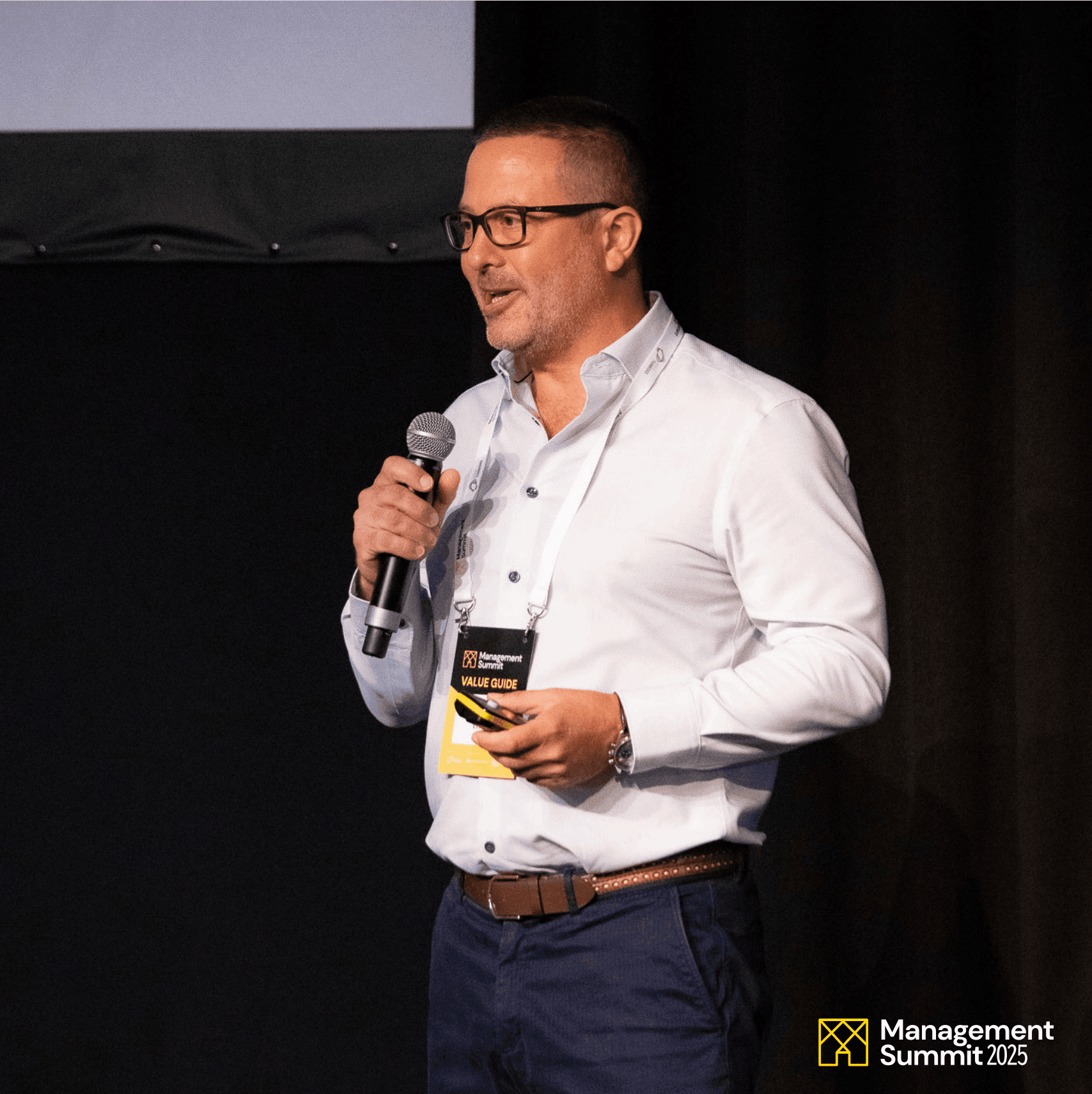
James Enock
Founder, Adaptavis
25 years working inside complex organisations on performance, delivery, and change.